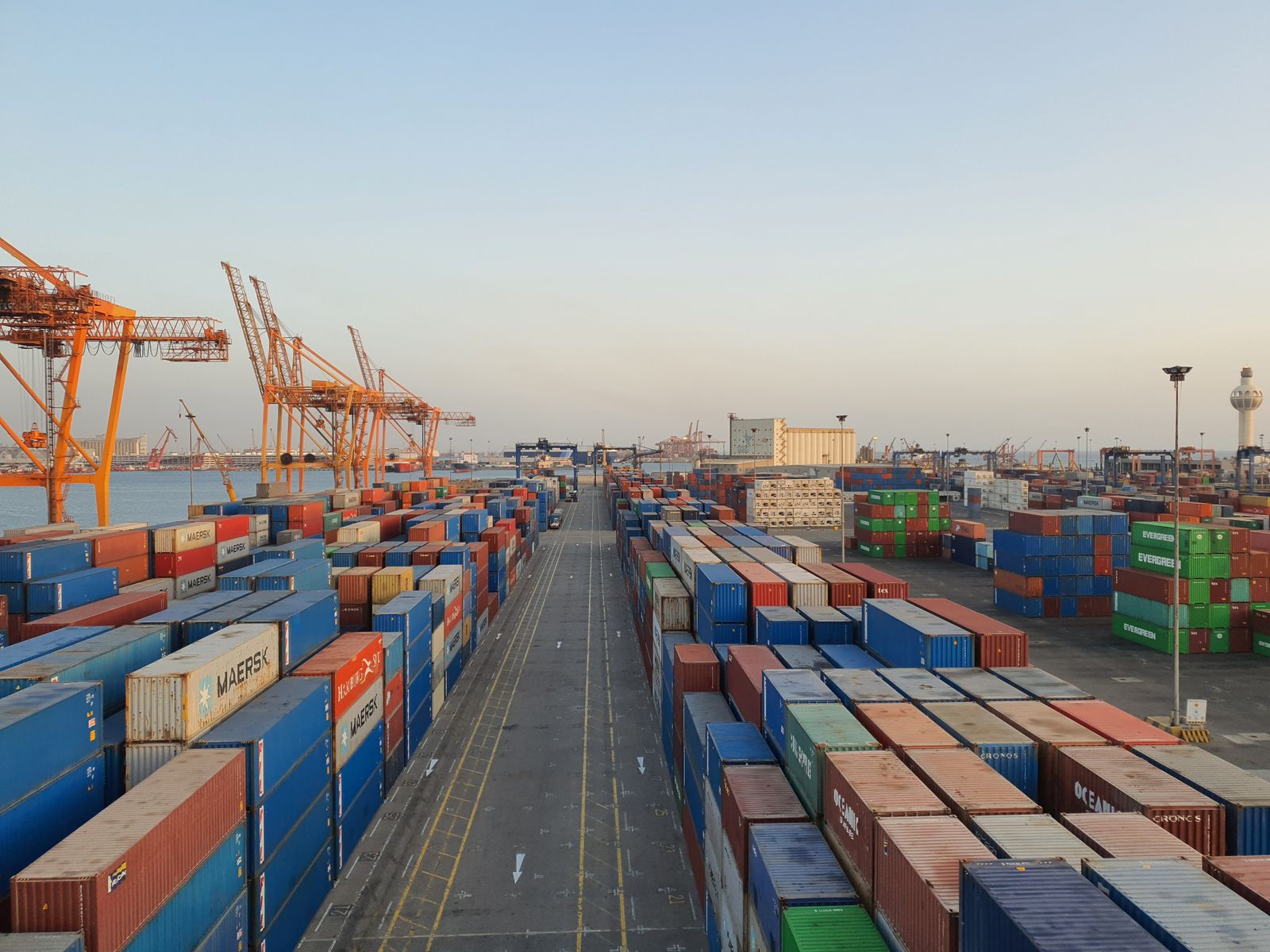
Dubai has become one of the most important trading hubs for plastic raw materials. Producers from the Gulf, Asia and Europe ship polymers through the UAE’s ports and free zones, and traders re-export them to manufacturers across the Middle East, Africa and beyond. For a manufacturer, the trading partner you choose affects price, but also quality consistency, delivery reliability and the paperwork that keeps your production running.
Why Dubai is a polymer trading hub
- Ports and logistics: large container terminals and frequent shipping lines connect the UAE to most consumer markets.
- Free zones: trading companies can hold stock and re-export efficiently.
- Proximity to producers: major polyolefin production capacity is located in the Gulf region.
- Trade finance: banks and insurers in the UAE are experienced with letters of credit and documentary collections.
A checklist for evaluating a polymer trader
1. Product knowledge
A good partner asks about your process and product before quoting. They should explain the difference between grades, recommend alternatives when a grade is unavailable and understand properties such as melt flow index and density. If you are comparing materials, our guide to polypropylene vs polyethylene is a useful starting point.
2. Documentation for every lot
Ask for the technical data sheet, safety data sheet and certificate of analysis for each shipment, together with the commercial invoice, packing list, bill of lading and certificate of origin. Missing documents can delay customs clearance and production.
3. Consistency of supply
Switching between producers or lots without notice can change how material runs on your machines. Ask how the trader secures continuity and whether they notify you of grade or source changes.
4. Logistics and Incoterms
Clarify Incoterms (FOB, CFR, CIF, DAP), packaging, container loading, transit times and who handles insurance. Transparent logistics planning avoids surprises at the destination port.
5. Payment terms and contracts
Agree on payment method, price validity and how claims for off-spec material are handled. Written contracts that reference the grade and specifications protect both sides.
6. Market insight
Polymer prices move with oil, naphtha and regional supply. A partner who shares market information helps you plan purchases instead of reacting to price changes.
Red flags
- Prices far below the market without a clear explanation
- Reluctance to share data sheets or certificates
- Vague answers about the producer or origin of the material
- No written contract or unclear claim procedure
How The Atlantic Trade works
From our office at Dubai World Central, The Atlantic Trade connects manufacturers with polymer and chemical products and supports them with market knowledge. Explore our polymer trade and chemical trade services, see the industries we serve, or get in touch with your requirements.
Frequently asked questions
Why do companies buy polymers through Dubai?
Dubai combines large container ports, free zones and established trade links with the Middle East, Africa, Asia and Europe, which makes it a practical hub for sourcing and re-exporting raw materials.
Which documents should come with a polymer shipment?
Typically a commercial invoice, packing list, bill of lading, certificate of origin, technical data sheet, safety data sheet and certificate of analysis for the lot.
What are Incoterms and why do they matter?
Incoterms such as FOB, CFR or CIF define where costs and risks pass from seller to buyer. Agreeing them clearly avoids disputes over freight, insurance and port charges.