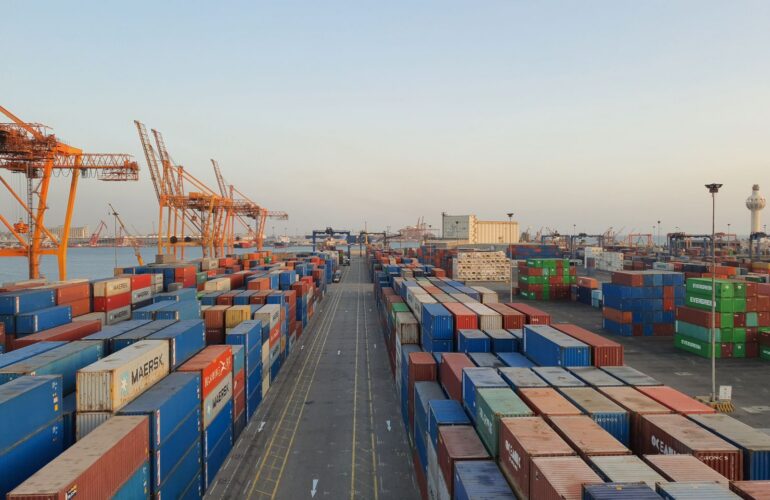
Industrial chemicals are present in almost every product around us, from plastics and paints to detergents, textiles and construction materials. For manufacturers, a reliable chemical supply is as important as the machines on the production floor. Dubai, with its ports and free zones, is one of the region’s main gateways for chemical trade. This guide explains how the process works and what importers should check.
What does a chemical trader do?
A chemical trader sits between producers and users. In practice this means:
- Sourcing products from producers that match the buyer’s specification
- Comparing alternatives when a product is short or prices change
- Arranging documentation, packaging, labelling and transport
- Providing market information and, in some cases, stock or payment flexibility
Common product groups
- Solvents and intermediates for paints, coatings and adhesives
- Additives and masterbatches for the plastics industry
- Surfactants and raw materials for detergents and cosmetics
- Construction chemicals and resins
Many of these products are closely linked to polymer processing; see our pages on cosmetics and automotive applications.
Documents that matter
| Document | Why it matters |
|---|---|
| Safety Data Sheet (SDS) | Hazards, handling, storage and emergency measures |
| Technical Data Sheet (TDS) | Specification and typical properties |
| Certificate of Analysis (CoA) | Test results for the specific lot |
| Commercial invoice and packing list | Customs value, quantities and packaging |
| Bill of lading and certificate of origin | Ownership, transport and origin for duties |
| Dangerous goods declaration | Required for hazardous products under transport rules |
Permits and compliance in the UAE
Some hazardous or controlled chemicals require import permits or registration with the relevant UAE authorities. Requirements depend on the product’s classification, so check them before the goods are shipped rather than at the port. A trader experienced in the region can help identify which approvals apply.
Safe packaging and transport
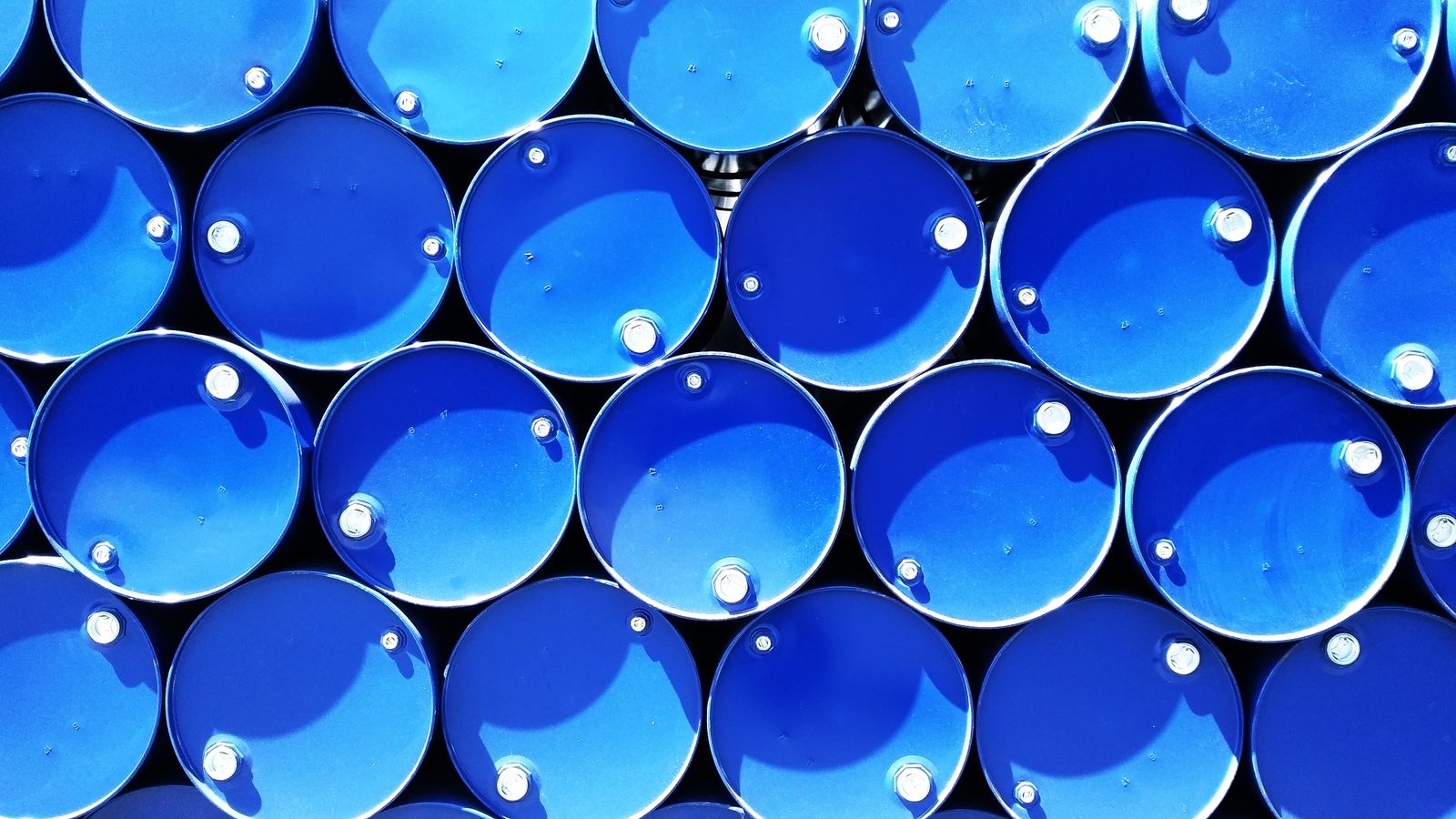
- Use packaging approved for the product’s UN number and hazard class (drums, IBCs or ISO tanks).
- Label each package correctly and keep the SDS with the shipment.
- For sea freight, declare dangerous goods under the IMDG Code.
- Plan storage at destination according to the SDS, including temperature and segregation.
How to evaluate a chemical supplier
- Can they provide complete documents for every lot?
- Do they understand your application and specification?
- Is the origin of the product transparent?
- Are logistics, Incoterms and claims procedures clearly agreed?
The Atlantic Trade supports manufacturers in the region with chemical trade and polymer trade from Dubai. For a checklist on choosing a partner, read how to choose a polymer trading partner in Dubai, or contact us directly.
Frequently asked questions
What does a chemical trader do?
A chemical trader sources industrial chemicals from producers, matches them to buyers’ specifications, arranges documentation and logistics, and often provides market information and credit or stock flexibility.
Do chemicals need special documents to import into the UAE?
Every shipment needs standard trade documents and a safety data sheet. Some hazardous or controlled chemicals also require permits from the relevant UAE authorities, so the product’s classification should be checked before shipping.
How are hazardous chemicals shipped?
Dangerous goods are packed, labelled and declared according to their UN number and hazard class, and shipped under the IMDG Code for sea freight with a dangerous goods declaration.